



Product Development
Custom Software Product Development From Idea to Enterprise Scale
From Idea to Enterprise Scale
Build, launch, modernise, and scale custom software products with a product-led approach. Whether you need a new MVP, stronger UX and engineering for an existing product, or enterprise-scale growth. Wildnet Edge connects strategy, design, engineering, and long-term product evolution.
- Trusted by 4,100+ Clients
- 8,000+ Projects Delivered
- 19+ Countries Served
- 350+ Experts
- 1,200+ Reviews
Our Technology Partners
Built on Trusted Technology Platforms
We work across leading cloud, CRM, and AI platforms, so every recommendation is based on what fits your business, not a single vendor.






Why It Matters
Why Businesses Need Custom Product Development
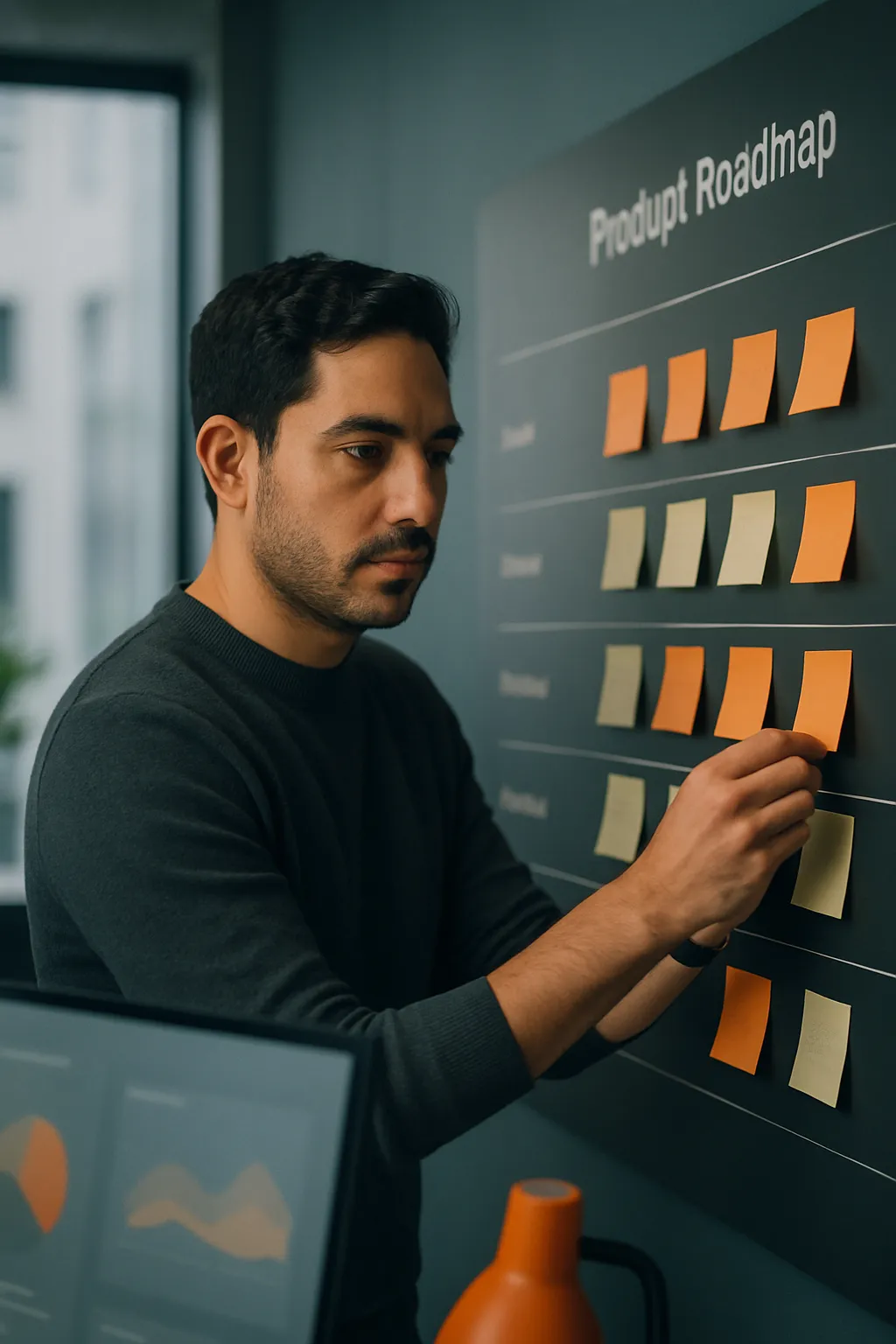
McKinsey research found that 50% of product launches do not hit their targets. For product leaders, the risk is rarely coding alone- it is unclear direction, weak validation, poor prioritisation, and gaps after launch.
- Product direction before code A product partner should clarify the problem, users, priorities, and validation path before engineering expands the scope.
- Product engineering beyond delivery The goal is a validated, scalable product with clear ownership-not simply a team that closes tickets.
- Ideas stay at concept Good product ideas often stall because nobody turns the opportunity into a clear scope, user journey, delivery plan, and validation path.
- MVPs become overloaded Teams add features before learning what users need. A focused MVP keeps investment tied to the product problem that must be proven first.
- Requirements stay unclear When priorities are not explicit, design and engineering make different assumptions, creating rework and slower decisions.
- Technology leads product decisions Choosing a stack before defining users, workflows, constraints, and growth needs can lock the product into avoidable trade-offs.
- Legacy slows growth Older architecture can make every new feature harder to release. Modernisation should improve product continuity while reducing technical friction.
- UX hurts adoption A product can work technically and still lose users when navigation, workflows, onboarding, or accessibility do not match real user expectations.
Business Case
Why Custom Product Development Matters for Business Growth
Starting with product direction reduces rework, unnecessary scope, and disconnected delivery decisions.
Without defined product direction
- Features get prioritised without evidence.
- UX and engineering solve problems differently
- Technology decisions arrive too early
- Validation happens late
- Post-launch ownership is unclear.
A product-led development path
- Product Validation
- User & Market Needs
- Product Scope
- UX & Architecture
- Development
- Validation
- Launch
- Continuous Evolution
Starting development without product direction can turn a promising idea into a long list of features with uncertain business value. A custom software product development company should connect Product Vision – User & Market Needs – Product Scope – UX & Architecture – Development – Validation – Launch – Continuous Evolution. That is why software product development services need more than coding: they need product decisions, engineering discipline, and a partner who can stay accountable as the product changes.
Decision Point
Build Around the Product, Not Just the Code
A strong engagement connects business intent, user needs, architecture, engineering, and continuous evolution.

When development starts too early
The team can produce working features while the product still lacks a clear audience, scope, validation path, or roadmap. That creates rework, competing priorities, and investment without enough evidence.

When product decisions lead engineering
Discovery, prioritisation, UX, architecture, validation, and release planning stay connected. Engineering effort follows product value, while the roadmap can evolve as evidence and market needs change.
Capabilities
Our Custom Software Product Development Services
From discovery to post-launch engineering, each capability addresses a specific product decision or delivery need.

Product Discovery & Strategy
When the idea, users, or priorities are unclear, we define the product problem, scope, assumptions, and roadmap so development starts with decisions-not guesses.

Prototype & MVP Development
When you need to validate a product before broader investment, we shape the core workflow, prototype the experience, and build an MVP around the highest-value use cases.

Full-Cycle Product Engineering
When you need one partner across design, engineering, integrations, QA, and release, we manage the product lifecycle from defined scope through production, including SaaS Development Services where relevant.
Product Modernisation
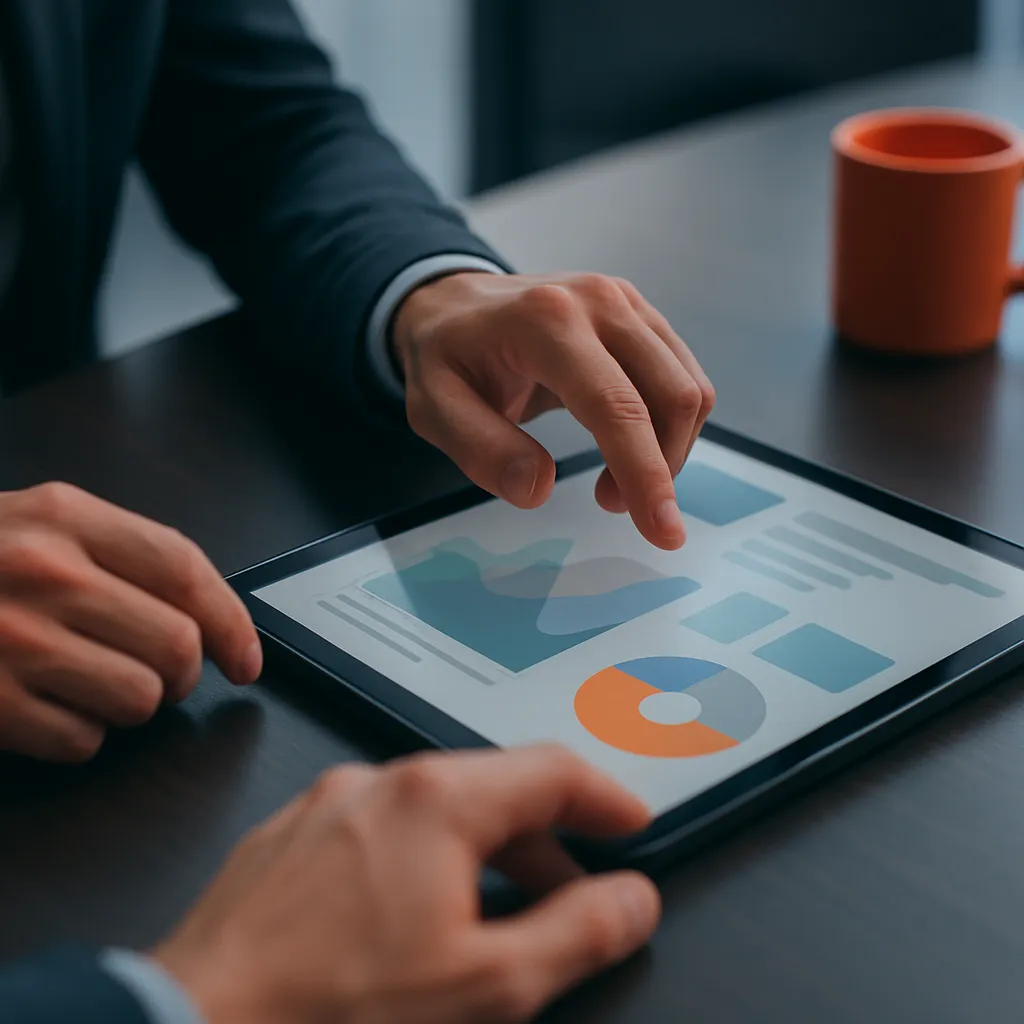
When an existing product is holding back growth, we assess architecture, UX, workflows, and technical debt, then modernise in a way that protects business continuity.
Product UI/UX Development
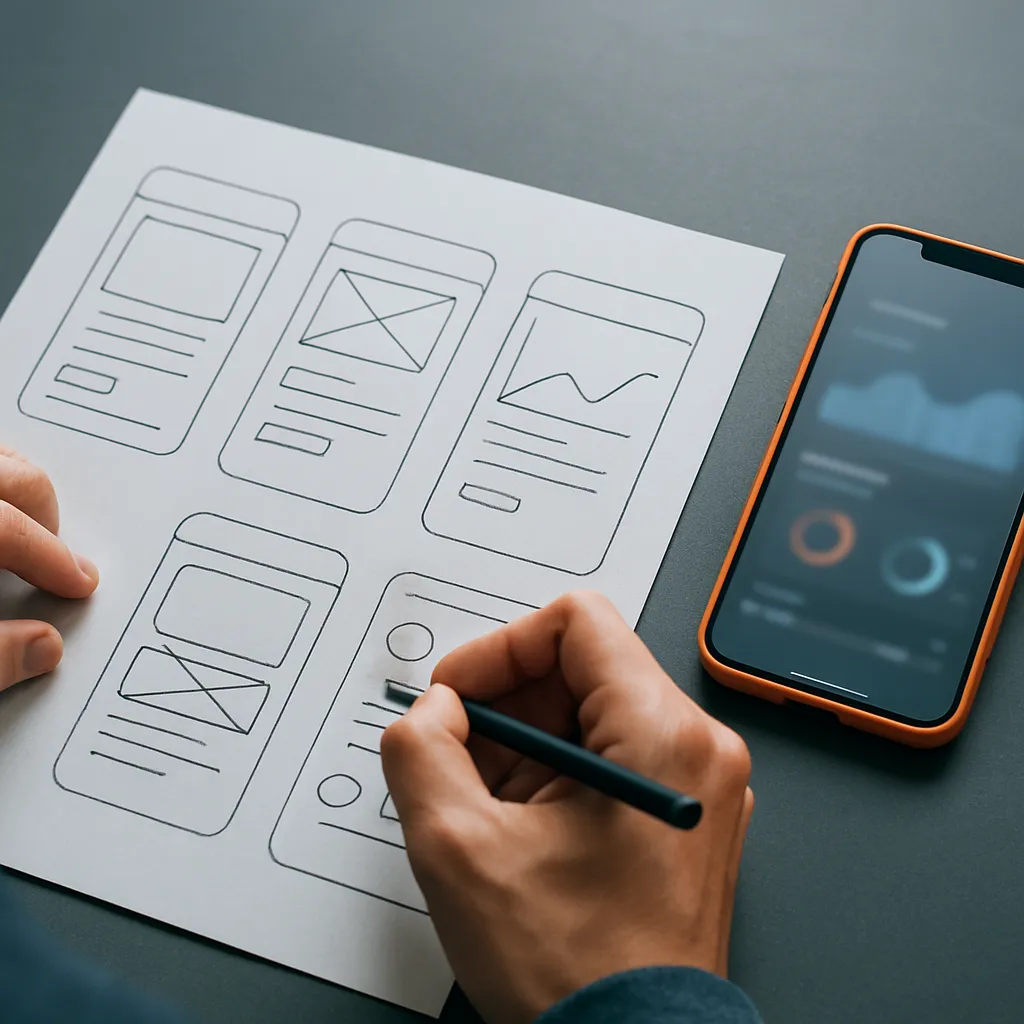
When adoption or retention suffers, we improve journeys, information architecture, interaction patterns, and interfaces across web and Mobile App Development experiences.

AI-Enabled Product Development
When AI can improve a product workflow, we identify practical use cases, design the experience, and connect the right AI Development Services to product value.

Product Scaling & Optimisation
When users, transactions, or complexity grow, we improve architecture, performance, workflows, integrations, and Cloud & DevOps Services around real growth requirements.

Post-Launch Product Engineering
When the product is live, we use feedback, analytics, roadmap priorities, and engineering improvements to evolve the product instead of treating launch as the finish line.
Methodology
Our Product Development Framework
Discover
Product discovery, requirements, user goals, business goals
Define
Product scope, MVP priorities, UX direction
Design
User journeys, prototypes, product architecture
Build
Engineering, integrations, quality assurance
Validate
Testing, feedback, performance, security
Launch
Deployment, monitoring, production readiness
Scale
Optimisation, new features, product evolution
Engagement Fit
Product Development Solutions for Different Business Needs
Choose the engagement around your product situation, not a programming language or generic technology package.
Business situation
Product requirement
Development approach
Business value
New Product/ MVP
Turn a defined opportunity into focused scope, core journeys, prototype, and MVP ready for validation.
Discovery, UX, engineering, validation and/or modernisation based on stage and scope.
A clearer path from current product need to measurable next decision.
Existing Product Enhancement
Improve a live product through prioritised UX, features, workflows, and engineering changes while supporting existing users.
Discovery, UX, engineering, validation and/or modernisation based on stage and scope.
A clearer path from current product need to measurable next decision.
Product Modernisation
Modernise aging products through staged architecture, UX, integration, and technical-debt improvements while protecting business continuity.
Discovery, UX, engineering, validation and/or modernisation based on stage and scope.
A clearer path from current product need to measurable next decision.
Enterprise Product Development
Coordinate complex workflows, integrations, security, governance, and engineering across products serving multiple teams and business units.
Discovery, UX, engineering, validation and/or modernisation based on stage and scope.
A clearer path from current product need to measurable next decision.
Product Scaling
Prepare products for higher usage through architecture, performance, data, integration, and operational improvements tied to growth.
Discovery, UX, engineering, validation and/or modernisation based on stage and scope.
A clearer path from current product need to measurable next decision.
AI-Enabled Product Enhancement
Add practical AI capabilities to existing workflows to improve user outcomes, decision, automation, and differentiation.
Discovery, UX, engineering, validation and/or modernisation based on stage and scope.
A clearer path from current product need to measurable next decision.
Digital Product Transformation
Rework product strategy, experience, architecture, and delivery around changing customer expectations, business models, and long-term direction.
Discovery, UX, engineering, validation and/or modernisation based on stage and scope.
A clearer path from current product need to measurable next decision.
What Sets Our Approach Apart
Why Choose Wildnet Edge for Product Development
The differentiator is how product decisions, engineering delivery, and long-term ownership stay connected.

Product-Focused Engineering
We frame engineering decisions around the product problem, user need, delivery risk, and roadmap-not around technology for its own sake.

End-to-End Product Ownership
Strategy, UX, engineering, QA, launch, and post-launch work can stay connected, reducing handoffs between separate delivery partners.

Flexible Engagement Models
Choose a model that fits your product stage, internal capability, complexity, and delivery needs rather than forcing every engagement into one structure.

Enterprise Engineering Capability
Complex products can require architecture, integrations, security, quality, and coordination across teams. Our approach is designed for those broader engineering demands.

Transparent Delivery
Clear scope, priorities, progress, risks, and decisions help product leaders understand what is changing and why throughout delivery.
Full IP & Source-Code Ownership
Your product remains your business asset. Ownership expectations should be clear from the engagement, including source code and intellectual property.

Long-Term Product Evolution
The relationship can continue beyond launch, so roadmap changes, optimisation, modernisation, and new product capabilities have an accountable engineering partner.
A product engineering partner should reduce decision risk-not just add development capacity.
Ways to Engage
Flexible Product Development Engagement Models
Select a model around product stage, complexity, internal team, and delivery requirements.
Choose the structure that fits
• Sustained product ownership
• Defined project outcomes
• Added engineering capacity
• Staged modernisation
• Long-term product evolution


Dedicated Product Development Team
Best when the product needs sustained ownership and a consistent cross-functional team. The team works against your roadmap, priorities, and product decisions.
Project-Based Product Development
Best when scope and delivery outcomes are clearly defined. A focused engagement takes the product through an agreed discovery, design, build, validation, and launch path.
Team Extension / Staff Augmentation
Best when you already have product leadership but need additional engineering or specialist capacity. Added team members work within your existing delivery model.

Product Modernisation Engagement
Best when an existing product needs staged modernisation. Work is planned around business continuity, technical debt, UX, architecture, and measurable product priorities.

Long-Term Product Engineering Partnership
Best when the product will keep evolving. Ongoing engineering supports roadmap delivery, optimisation, new capabilities, and technical health over time.
Use Cases
Industries We Help With Custom Product Development
The focus is the product workflow: users, operational constraints, integrations, and the business outcome the software must support.

Financial Services
Digital banking and financial products require dependable workflows, security, integrations, and usability. Product engineering aligns these needs around customer and business journeys.
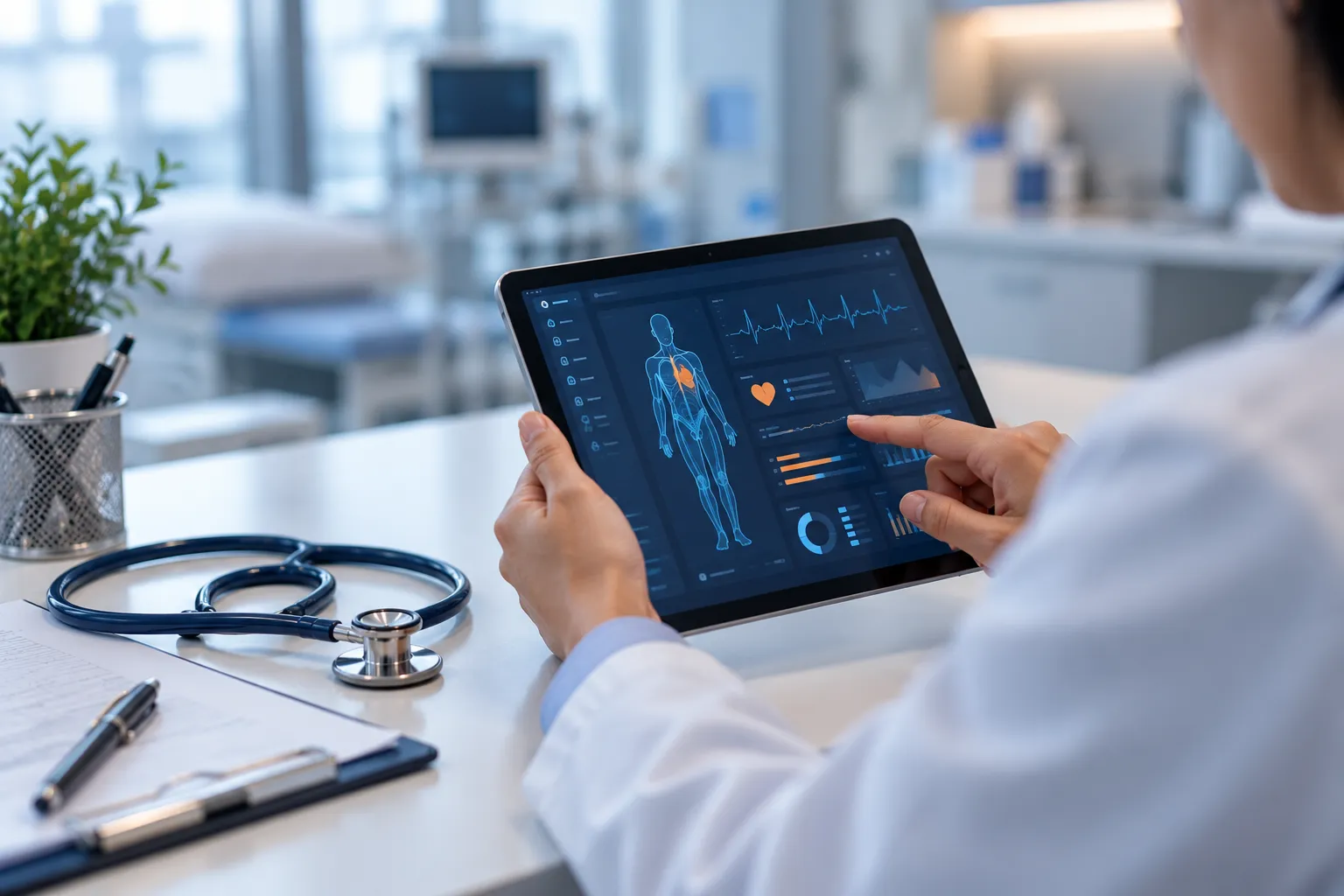
Healthcare
Healthcare platforms need clear workflows, privacy-aware design, and reliable information handling. Product development can support patient, provider, and operational journeys.

Retail & eCommerce
POS, inventory, ordering, and commerce products must connect operational workflows with customer experiences. Product development helps unify these journeys and support changing demand.

Education
Learning platforms need intuitive journeys for learners, educators, and administrators. Product teams can shape content, progress, engagement, and management workflows into one coherent experience.

Real Estate
Property management and real-estate products combine listings, documents, workflows, communications, and operations. Product development turns these fragmented processes into usable digital products.

Manufacturing
Industrial IoT and operational products must connect equipment, data, workflows, and users. Product engineering can make complex operational information actionable without obscuring business context.

Education
Learning platforms need intuitive journeys for learners, educators, and administrators. Product teams can shape content, progress, engagement, and management workflows into one coherent experience.

Aviation
Aviation software often spans operational workflows, scheduling, data, and user coordination. Product development focuses on dependable processes, clear interfaces, and maintainable engineering.
In Their Words
Rated 4.89 across 104 reviews
Quotes are from engineering and product leaders, the people who own the outcome.

“Partnering with Wildnet Edge was a game-changer for our department. Their deep understanding of government processes, combined with cutting-edge AI capabilities, helped us modernize outdated systems with minimal disruption. The result? A faster, smarter, and more transparent public service delivery model.”

“Wildnet Edge truly exceeded our expectations. Their AI-first approach helped us streamline product development and automate key workflows, allowing our team to focus on innovation. Their proactive collaboration and agile execution felt like having a tech co-founder on our side.”

“Working with Wildnet Edge was transformative. They brought deep expertise in AI, cloud, and agile delivery that enabled us to modernize legacy systems without disruption. Their ability to deliver complex solutions at scale made them an essential partner in our digital evolution.”
Straight answers
The questions you were going to ask on the call.
Clear expectations make better partnerships. Here is where the conversation starts.
What is custom software product development?
It combines product strategy, UX, engineering, validation, launch, and ongoing evolution to build software around a specific business and user need.
Product development vs software development?
Software development focuses on building software. Product development adds product discovery, prioritisation, UX, validation, roadmap decisions, and long-term ownership.
How much does custom product development cost?
Cost depends on product scope, complexity, integrations, UX depth, team structure, and delivery stage. A discovery phase can clarify the effort before larger investment.
How long does it take to build a software product?
Timing depends on scope, validation needs, integrations, team size, and product complexity. MVPs and enterprise products should be planned around defined outcomes, not arbitrary dates.
Can you turn our idea into an MVP?
Yes. We can help clarify the problem, prioritise the MVP, shape user journeys, prototype the experience, and build a focused version for validation.
Can you modernise an existing product?
Yes. Modernisation can address architecture, UX, integrations, technical debt, and product workflows in stages while protecting business continuity.
Do you provide product design and UI/UX?
Yes. Product UI/UX can cover research-informed journeys, information architecture, prototypes, interaction design, and interfaces aligned with product goals.
Can you scale an existing product as users grow?
Yes. We assess the product’s architecture, data, integrations, performance, workflows, and operational needs, then prioritise improvements around actual growth requirements.
Will we own source code and IP?
The engagement should clearly define ownership. Wildnet Edge can structure delivery so source code and intellectual property ownership expectations are explicit.
Can you integrate AI into an existing product?
Yes. We identify practical AI use cases within existing workflows, design the experience, integrate the capability, and keep the solution tied to product value.
Do you provide post-launch development and support?
Yes. Product engineering can continue after launch through roadmap delivery, optimisation, modernisation, new capabilities, and ongoing engineering improvements.
Can you work with our existing engineering team?
Yes. Team extension and collaborative product engineering can add capacity or specialist capability while working within your existing product and delivery processes.
Contact Us
Let’s Build for Outcome
Let’s co-create solutions that deliver measurable impact.
Get started
The Technology Edge Your Business Deserves.
A working session, not a pitch. 30 minutes session on solving your problem.
Prefer to just pick a time? Book a 30-minute roadmap call